Layer01
Advanced profile optimization
Build the profile foundation for eligibility, relevance, and conversion.
- Service and keyword alignment
- Category hierarchy and attributes
- Descriptions, offers, and Q&A
- Ongoing profile activity plan
Google Business Profile optimization
Most businesses treat Google Business Profile as a listing. I connect the profile, website, reviews, content, measurement, and governance into one structured system for durable local performance.
The real constraint
Weak category alignment, inconsistent business data, thin supporting pages, low review velocity, inactive content, and missing measurement can all limit performance. Isolated edits often create activity without creating a stronger system.
The full system
Each layer solves a different part of the local visibility problem. The diagnostic determines the order, depth, and ownership required.
Build the profile foundation for eligibility, relevance, and conversion.
Make the website and business profile reinforce the same entity and services.
Create a sustainable rhythm of useful posts, images, service updates, and video.
Turn requests and responses into a compliant, repeatable customer workflow.
Coordinate activity beyond the profile so the business presents consistent signals.
Structure business information for traditional search and conversational discovery.
Measure visibility, activity, and exceptions so decisions are based on evidence.
Protect the system with policy-aware workflows, access controls, and change oversight.
Scope matched to need
You do not need to buy every layer. The right level depends on the existing foundation, review maturity, competition, and the team that will maintain it.
For businesses with steady review activity that need stronger profile structure and visibility control.
For businesses that need stronger review velocity, response consistency, and conversion support.
For competitive or multi-location environments that need wider consistency and defense.
Selected results
These approved examples illustrate prior engagements. They do not guarantee a particular ranking, lead volume, pipeline, or revenue result.
source-reported average ranking improvement
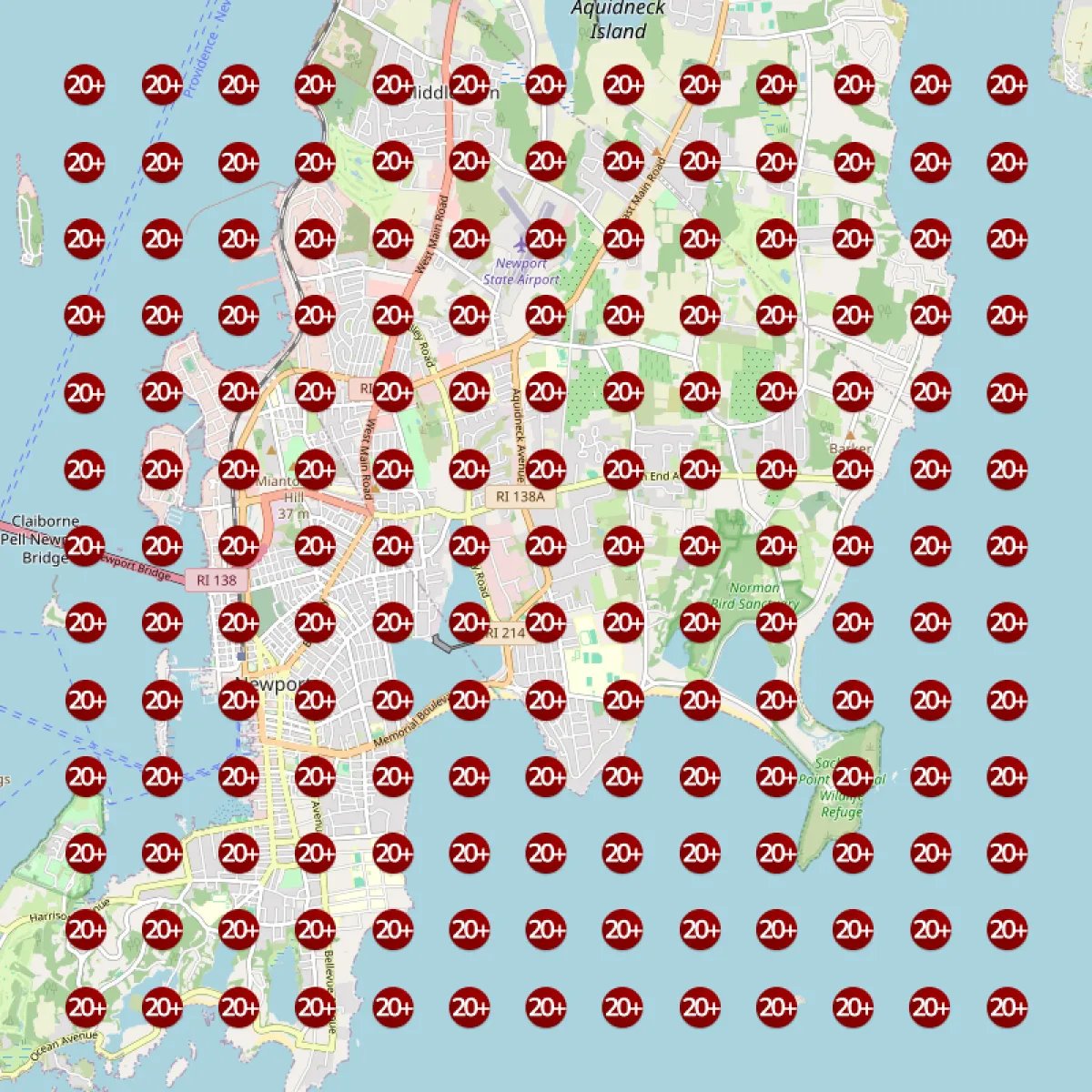
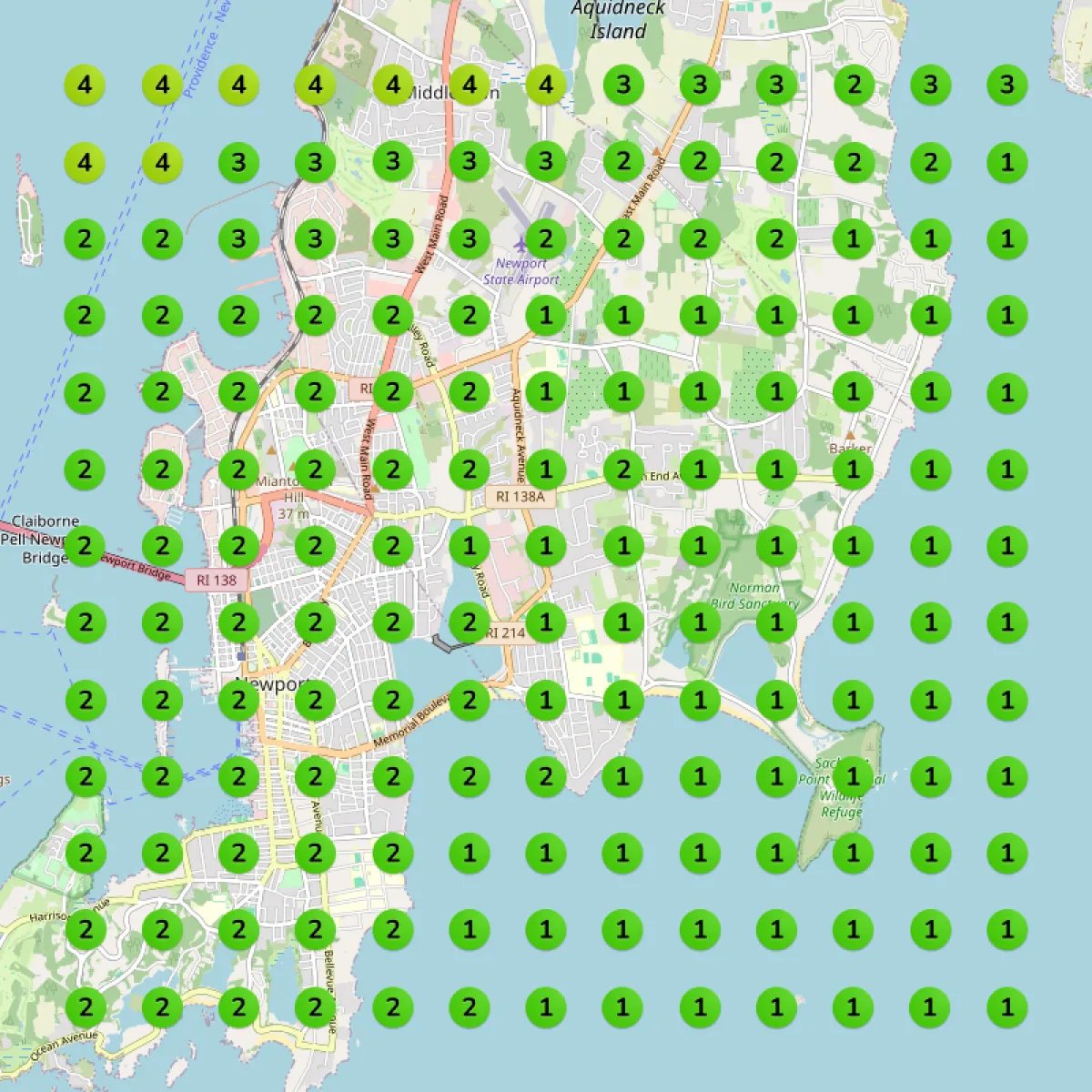
source-reported visibility improvement
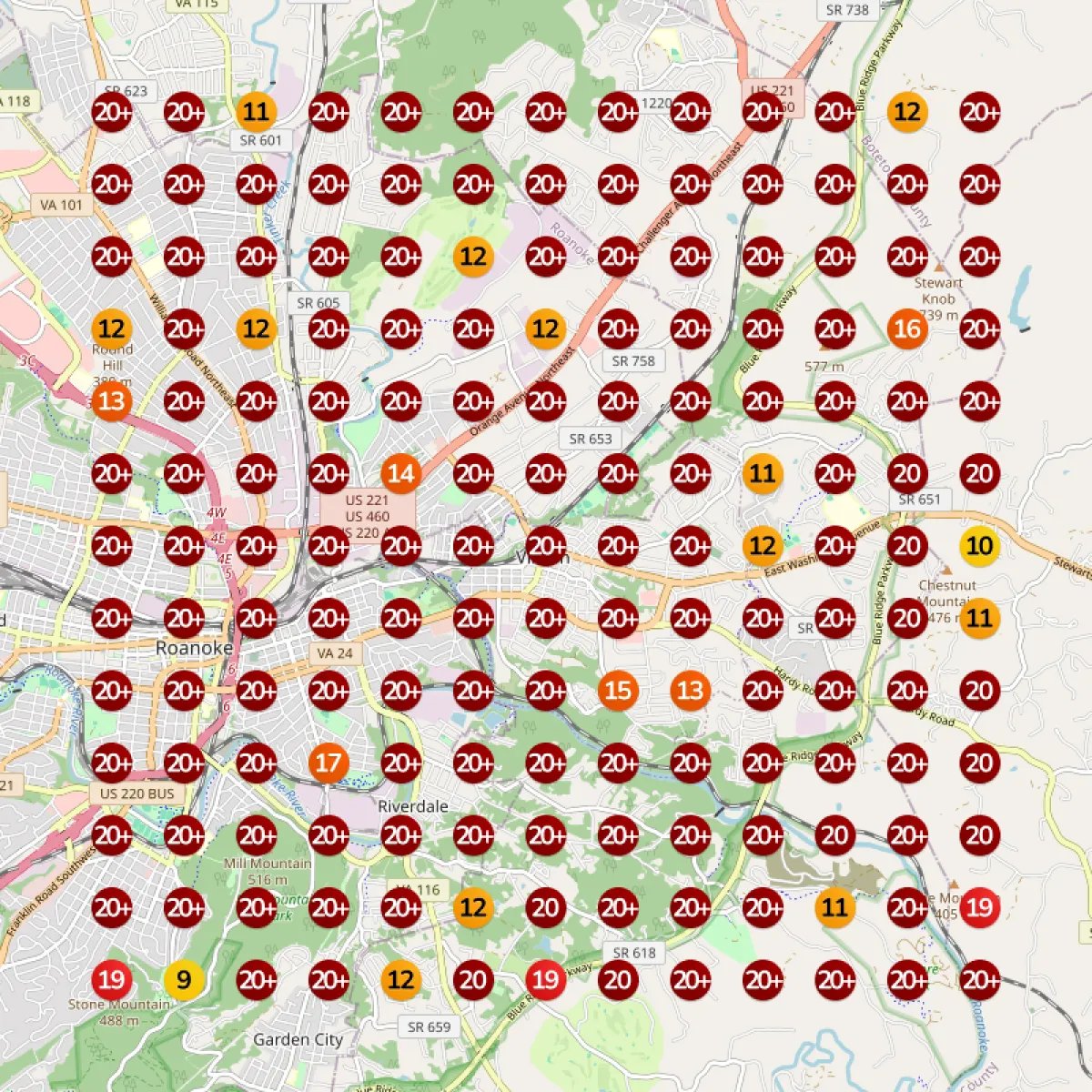
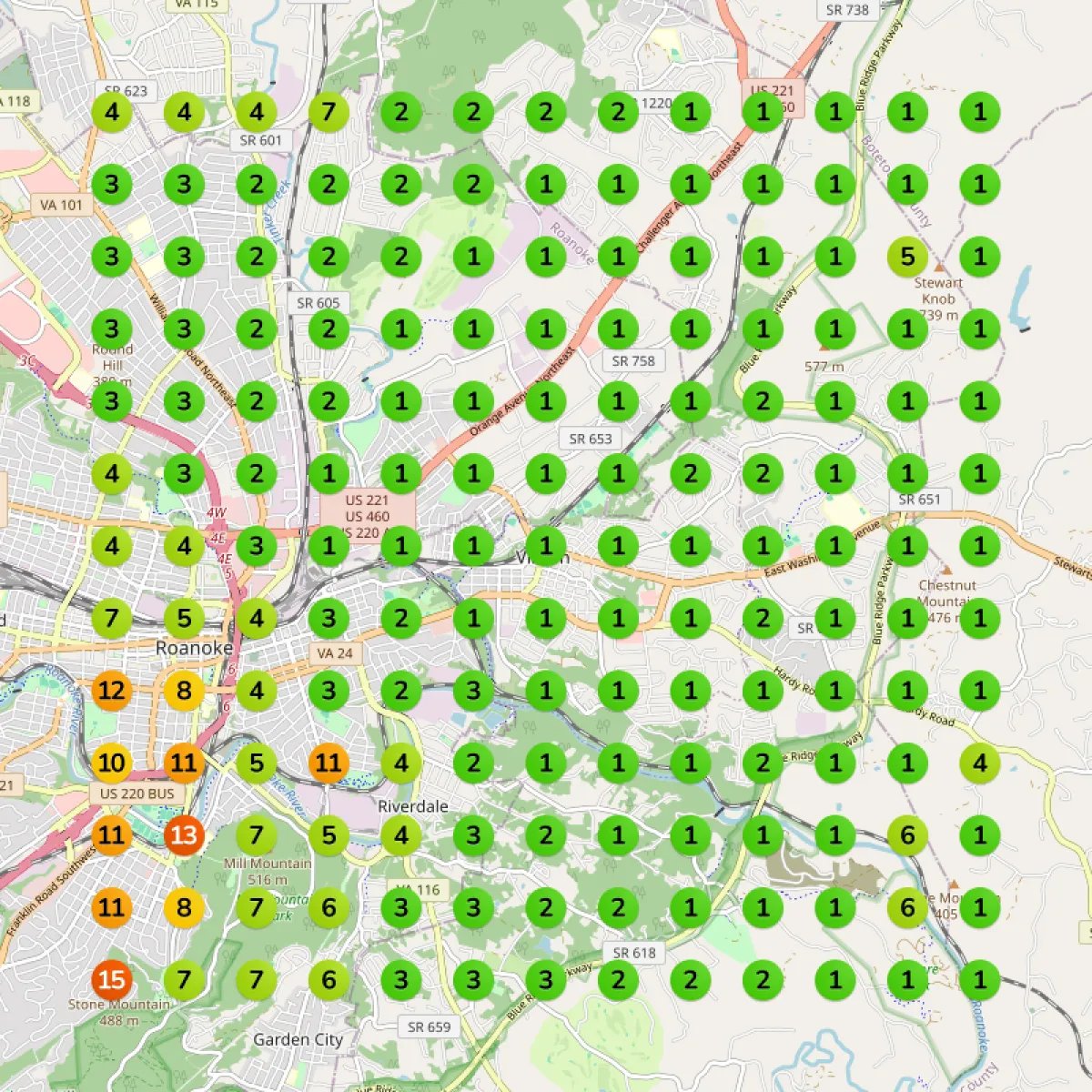
source-reported ranking improvement
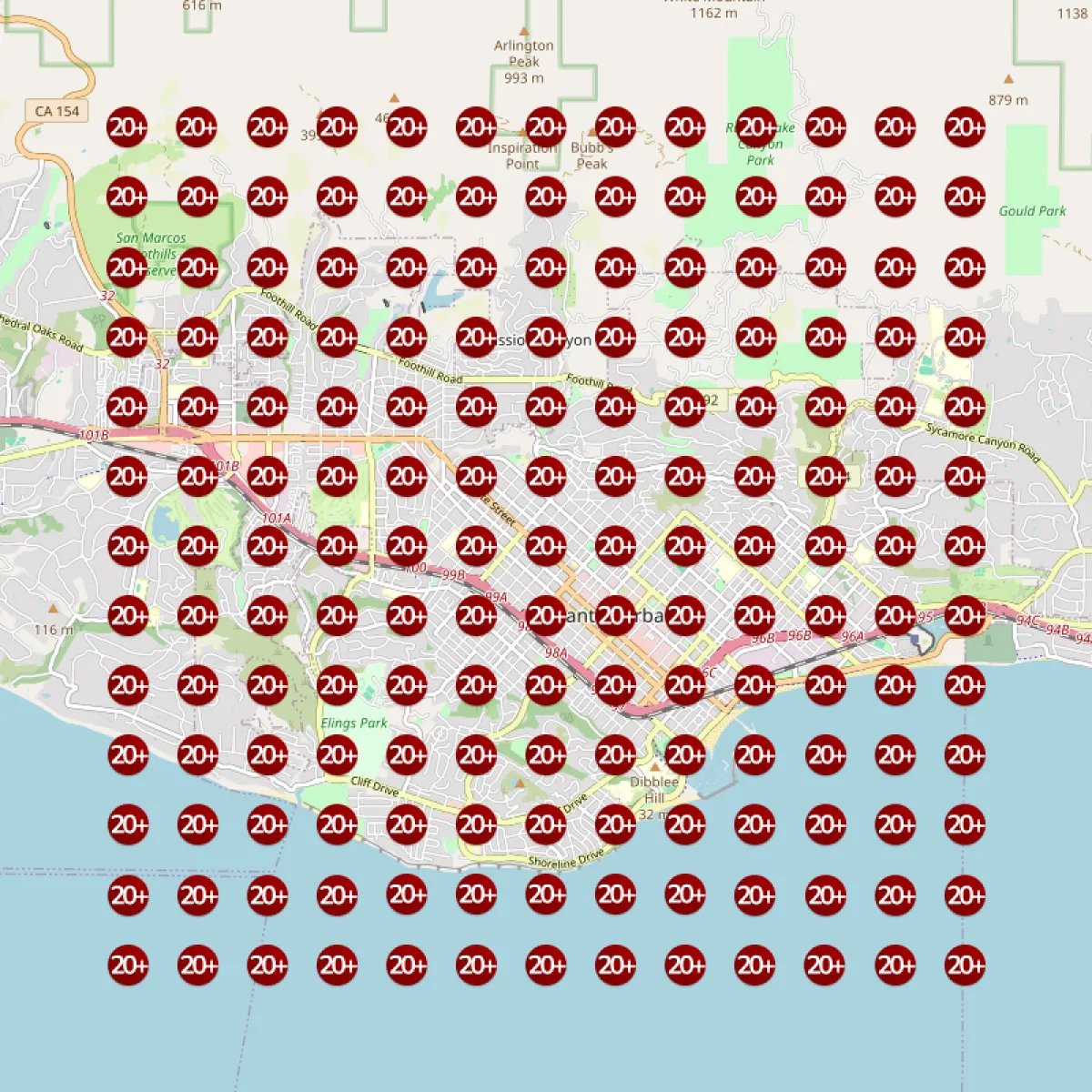
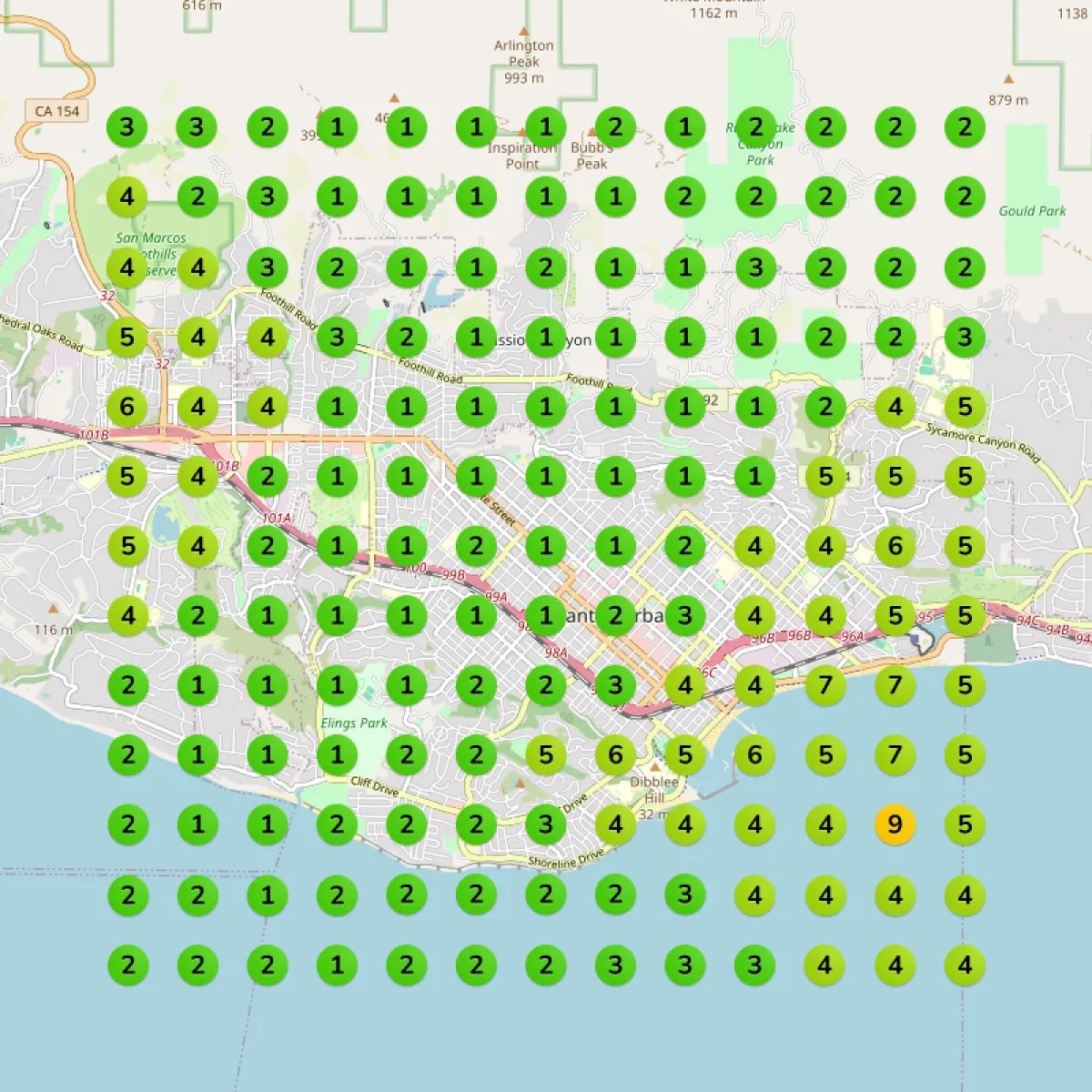
Evidence note. Percentages, lead actions, and estimated commercial values are reported from approved source reporting. Comparison periods are shown where currently available; fuller measurement settings and calculation context can be reviewed during project discussion. Individual results vary.
How engagement works
Every engagement begins with structured analysis—not random optimization or a predetermined software package.
Establish the rank-grid baseline, review velocity, entity health, competitive position, and infrastructure gaps.
Implement the prioritized layers, define ownership, and connect the profile, website, content, reviews, and data.
Monitor movement and exceptions, protect compliance, and refine the operating system as the market changes.
Questions before starting
Basic optimization usually ends with profile edits. This engagement connects the profile, website, reviews, content, measurement, and governance so the work can continue as an operating system.
No. The diagnostic establishes which layers are missing, weak, or already working. Scope is matched to the business, market, risk, and internal capacity.
No. Local performance is influenced by competition, proximity, baseline authority, operational changes, and Google. The work improves underlying signals and makes progress measurable; it does not promise a particular outcome.
No. Software may support publishing, review workflows, rank grids, or reporting, but the engagement is designed around the business system.
Open the Upwork profile and share the business, locations, current symptoms, and desired outcome. Communication, contracts, and payments remain on Upwork.
Begin with a structured assessment
Share the business, locations, current symptoms, and desired outcome on Upwork. I’ll help identify the right starting point.