The challenge
Nineteen locations, nineteen different habits.
Review volume was low and inconsistent. Ratings varied from store to store, responses were uncommon, and leadership lacked a reliable way to see where the process was working—or where customer feedback needed attention.
The real problem was not a missing campaign. It was the absence of an operating system: no common trigger, no response standard, no escalation logic, and no location-level accountability.
“The goal was to create consistency without removing local ownership.”
The system
Govern the workflow, then measure the signal.
Allen designed one operating model across the group, with enough structure to protect consistency and enough location-level visibility to make results actionable.
Request flows
Consistent review requests triggered at the right point in the service journey.
Response governance
Rating-aware reply logic, escalation rules, and response-time expectations.
Location controls
Store-level monitoring that preserved local accountability within a group system.
Monthly reporting
A repeatable view of volume, rating movement, response coverage, and exceptions.
The results
A visible change in review velocity and response discipline.
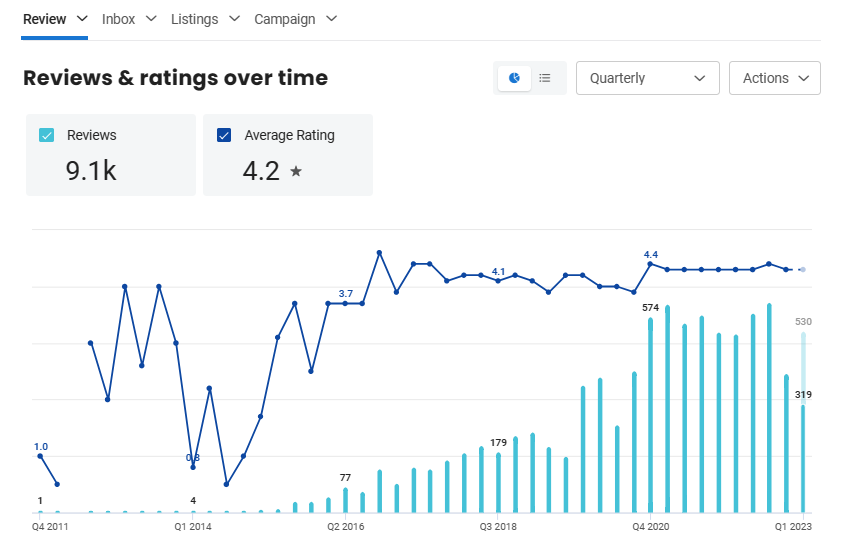
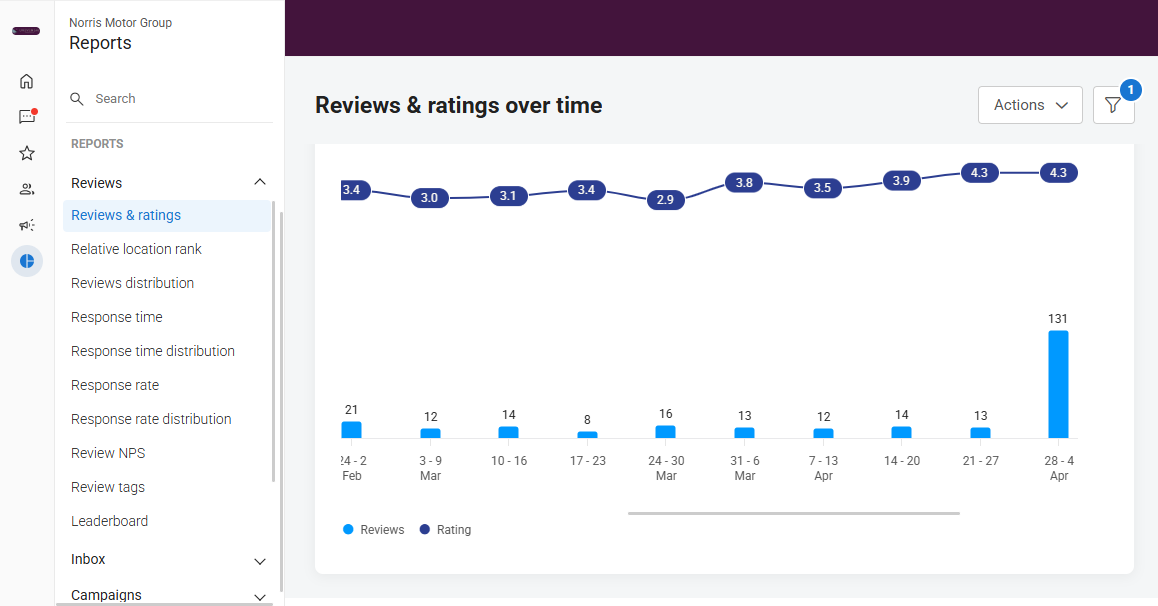
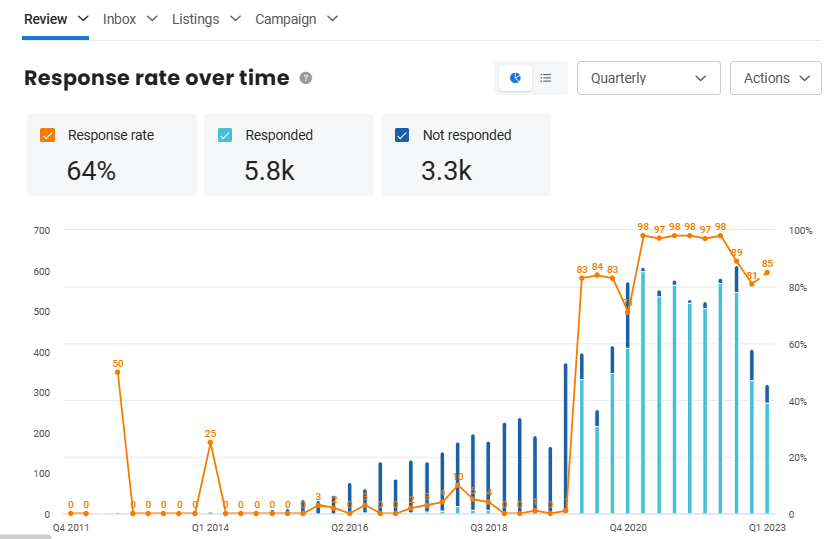
Following launch, weekly review volume moved from roughly 12 to more than 130 in the documented launch comparison. Response coverage rose from single digits to a sustained rate above 90% in the post-deployment period.
Evidence notes
What the numbers mean.
- The weekly review-volume change is presented as an endpoint comparison from the documented launch period.
- The 90%+ figure refers to sustained post-deployment response coverage, not the full account history.
- The group later surpassed 14,000 Google reviews at a reported 4.2-star average; its latest date label will be added when the corresponding report is available.
- Results reflect this client engagement and do not guarantee a particular review volume, rating, ranking, or business outcome.