
Reputation Management for Multi-Location & E-Commerce Brands
About Allen
Allen Quay is a reputation system architect specializing in multi-location and e-commerce brands. He designs compliance-driven review infrastructure that improves rating stability, accelerates compliant review velocity, and reduces preventable negative exposure across platforms.
Most brands don’t have a traffic or conversion problem — they have a trust problem. Paid acquisition, CRO, and brand campaigns underperform when reviews fail to reinforce credibility, and reactive reputation tactics are not capable of correcting the underlying system gaps that create instability.
Since 2011, Allen has helped distributed organizations implement review systems with compliant request logic, eligibility controls, sentiment-aware routing, and policy-structured removal analysis. His work emphasizes CX insights, operational feedback loops, and governance models that protect credibility without violating platform guidelines.
As founder of Review Dingo, Allen deploys review infrastructure that supports compliant growth, monitoring, CX intelligence reporting, and response governance — replacing unpredictable, manual processes with sustainable trust engines.


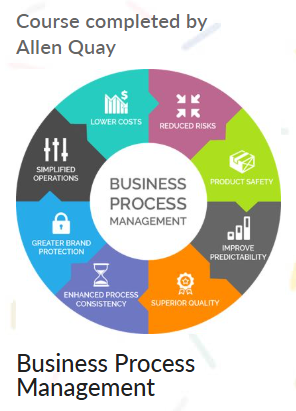


He is the author of How to Remove Fake & Negative Reviews and holds certifications in Business Process Management and IBM SkillsBuild, which inform his structured, framework-based approach to reputation operations and system design. Allen works with organizations through Upwork engagements and private consulting, helping them strengthen social proof, reduce acquisition friction, and convert trust into revenue.
Operating Principles
The reputation category is noisy, reactive, and often driven by short-term tactics. My work is guided by a different philosophy — one rooted in compliance, system design, and operational durability. The following principles shape every engagement.
Compliance Over Shortcuts
Reputation gains that violate platform policies are fragile by design. Compliant systems win because they endure.
Rating Stability Over Volume Spikes
Short-term review bursts look impressive but rarely convert. Stability and predictability outperform volatility over time.
Feedback Routing Over Public Friction
Negative feedback is often an operational insight, not a public event. Routing issues privately lowers exposure and prevents reputational damage.
Governance Over Single-Platform Dependency
Trust as a Conversion Lever, Not a Vanity Metric
Eligibility Logic Over Blind Outreach
Sentiment intelligence reveals where trust breaks. Decisions informed by patterns, not opinions, produce better outcomes.
Tactics generate surface-level changes. Systems generate repeatable, compounding advantages that survive staff turnover and channel shifts.
Not every customer should be asked for a review. Eligibility controls protect trust, maintain compliance, and improve rating quality.
CX Insight Over Guesswork
Platform risk is real. Cross-platform governance reduces dependency and increases durability across changing policies.
System Design Over Tactical Action
Review removal is a legal- and policy-based process. Evidence, documentation, and escalation discipline outperform “arguing cases.”
Multi-Location Consistency Over Local Autonomy
Reputation collapses when locations improvise. Systems benefit distributed organizations when consistency replaces fragmentation.
My work is designed for organizations that view reputation as an operational asset, not an afterthought. Typical fit includes:
Multi-location operators
Brands with distributed footprints that need rating stability, review consistency, and compliance across multiple locations or regions.
E-commerce brands
Organizations that rely on trust to support conversion, CAC efficiency, and repeat purchase behavior across channels and platforms.
Growth-Driven Leadership
Founders, CMOs, Heads of CX, and Operations leaders who understand that trust directly impacts acquisition, conversion, and unit economics.
Compliance-Aware Environments
Brands that require platform-safe review acquisition, policy-aligned removal, eligibility controls, and legal defensibility.
Distributed Teams & Hybrid Ops
Organizations where marketing, CX, and operations need cross-functional review systems that scale beyond manual processes.
Brands with Review Exposure or Rating Instability
Situations where negative feedback, rating volatility, or low volume are impacting revenue, perception, or acquisition performance.
Who This Is Not For
My work is not designed for brands seeking guaranteed review removal, black-hat tactics, vanity review volume, or short-term fixes that conflict with platform policies. If the goal is to “boost stars fast” or “make negative reviews disappear,” you will not be well-served by a compliance-first operating approach.
Who This Is For


Engagement Models
Work follows a structured engagement model designed to diagnose, design, and deploy compliance-first reputation systems. This approach aligns stakeholders, defines governance boundaries, and ensures that reputation becomes an operational asset rather than a reactive task.


Designed for distributed teams and multi-location environments where marketing, CX, and operations must collaborate across shared reputation outcomes at scale.
Rating Stability
Extracting structured insight from customer sentiment to inform operations, product, and service improvements.
Outcomes & Impact
Reputation systems drive real business outcomes: rating stability, compliant review velocity, reduced negative exposure, and stronger conversion confidence — especially for distributed, multi-location and e-commerce brands.
Compliant Review Velocity
Increasing the rate of authentic, policy-safe review acquisition without triggering platform risk or reputational anomalies.
Negative Exposure Reduction
Extracting structured insight from customer sentiment to inform operations, product, and service improvements.
Conversion Confidence
Improving prospect trust during the consideration and purchase stages, reducing friction and drop-off in the buyer journey.
CAC Efficiency
Strengthening the effectiveness of paid acquisition and organic traffic by ensuring reviews reinforce credibility rather than undermine it.
Extracting structured insight from customer sentiment to inform operations, product, and service improvements.
CX Intelligence
Platform Risk Mitigation
Reducing the likelihood of review disputes, policy violations, listing suspensions, and adverse platform actions.
Distributed Consistency
Ensuring multi-location brands maintain unified standards instead of fragmented, location-level improvisation.
Review Dingo - Allen Quay | © Copyright 2025 | All Rights Reserved